
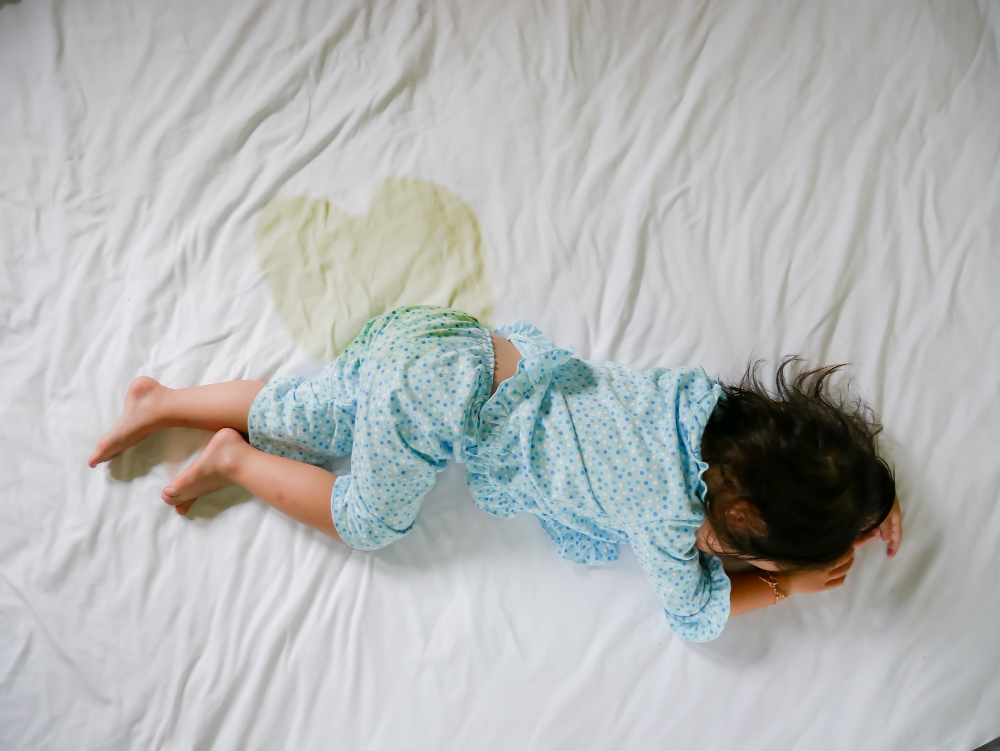
What is Bedwetting in Children?
Bedwetting in children, also called nocturnal enuresis, means a child urinates during sleep. Many children experience this at some point. In fact, it is common in kids under age 7. While it can be stressful for families, bedwetting is usually not a sign of a serious problem. However, understanding when to seek help is important for your child’s health and well-being.
Common Causes of Bedwetting
There are several reasons why a child may wet the bed. Some causes are simple, while others may need medical attention. For example, children may have small bladders or deep sleep patterns. Sometimes, bedwetting runs in families. In addition, stress or changes at home can play a role. Here are some common causes:
Because many children outgrow bedwetting, most cases are not linked to serious health problems.
When is Bedwetting Normal?
Bedwetting is normal for many young children. In fact, the Centers for Disease Control and Prevention (CDC) notes that up to 20% of 5-year-olds wet the bed. Most children gain nighttime bladder control by age 7. However, some may take longer. Usually, occasional bedwetting before age 7 is not a cause for concern. But, if your child is older or suddenly starts wetting the bed, it may be time to look closer.
Warning Signs: When to Consult a Pediatrician
Sometimes, bedwetting may signal a medical issue. Therefore, parents should watch for warning signs. You should consult a pediatrician if your child:
Additionally, if bedwetting affects your child’s self-esteem or causes stress at home, it is wise to seek advice.
Diagnosis and Evaluation
When you visit a pediatrician, they will ask about your child’s health and habits. For instance, they may ask how often bedwetting happens and if there are any daytime symptoms. The doctor may also check for signs of infection or other health issues. Sometimes, a urine test is needed. In rare cases, more tests may be done to rule out diabetes or kidney problems. Most of the time, no serious cause is found.
Treatment Options and Home Care Tips
Many children outgrow bedwetting without treatment. However, some steps can help manage the problem. Your pediatrician may suggest:
In some cases, medicine may be used for older children or special events. But, medicine is not a cure and is usually a short-term solution. Most importantly, avoid punishing your child. Instead, offer support and patience.
Prevention and Lifestyle Guidance
While you cannot always prevent bedwetting, some habits may help. For example, encourage your child to use the bathroom regularly during the day. Also, remind them to go before bed. Limit drinks, especially those with caffeine, in the evening. If your child is constipated, talk to your doctor about ways to help. Finally, keep a calm and positive attitude. This will help your child feel safe and supported.
Frequently Asked Questions (FAQs)
Conclusion
In summary, bedwetting in children is common and often goes away with time. Most cases are not serious. However, if you notice warning signs or if bedwetting causes stress, talk to your pediatrician. Early advice can help your child feel better and more confident. If you are concerned about your child’s bedwetting, consult a pediatrician Dr. Rishabh Dutt for personalized advice.