
What is Childhood Diabetes?
Childhood diabetes is a condition where a child’s body cannot control blood sugar levels well. Most often, this happens because the body does not make enough insulin. Insulin is a hormone that helps sugar move from the blood into the body’s cells for energy. Without enough insulin, sugar builds up in the blood. This can cause health problems over time. There are two main types of diabetes in children: type 1 and type 2. Type 1 diabetes is more common in kids. However, type 2 diabetes is rising due to changes in diet and activity.
Early Signs and Symptoms
Early detection of childhood diabetes is very important. When caught early, children can get the care they need. Watch for these signs and symptoms:
If you notice these symptoms, talk to your child’s doctor. Early action can help prevent serious problems.
Causes and Risk Factors
There are several reasons why a child may develop diabetes. Type 1 diabetes happens when the immune system attacks the cells that make insulin. The exact cause is not known, but genetics and some viruses may play a role. On the other hand, type 2 diabetes is linked to being overweight, not getting enough exercise, and family history. Some children are more at risk if diabetes runs in the family. Also, certain ethnic groups have a higher risk.
How is Childhood Diabetes Diagnosed?
Doctors use simple blood tests to check for diabetes in children. First, a blood sugar test can show if levels are too high. Sometimes, a test called HbA1c is used. This test shows average blood sugar over the past three months. If results are high, the doctor may repeat the test or use other tests to confirm. Early diagnosis helps start treatment quickly and lowers the risk of complications.
Treatment Options and Daily Management
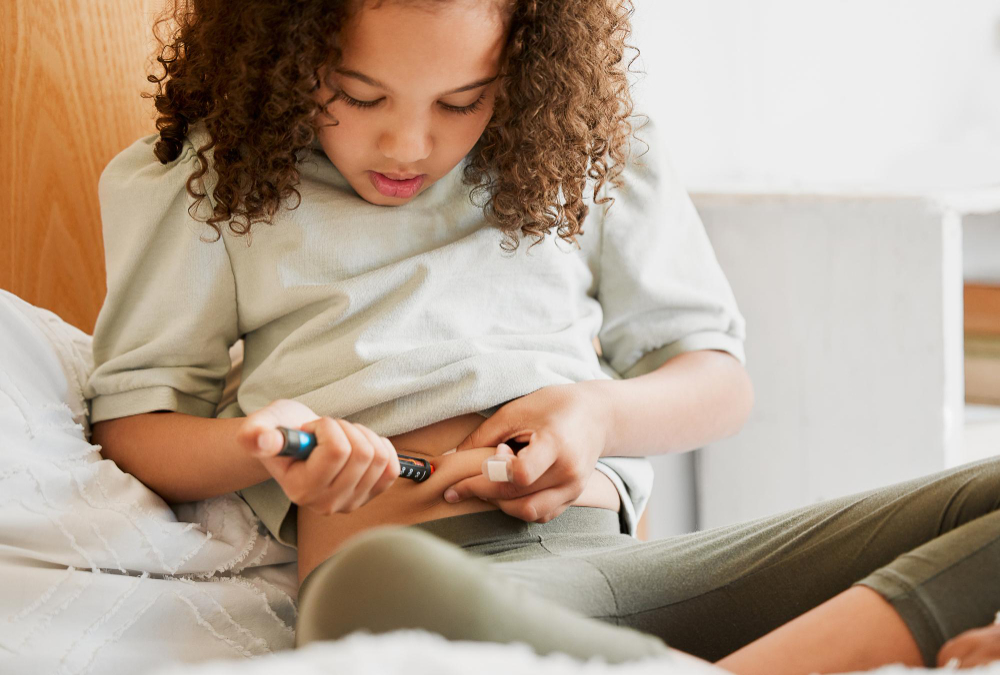
Treating childhood diabetes involves keeping blood sugar levels in a healthy range. For type 1 diabetes, children need daily insulin shots or an insulin pump. Type 2 diabetes may be managed with healthy eating, exercise, and sometimes medicine. In both types, regular blood sugar checks are important. Parents and children should learn how to use a blood sugar meter. With support, children can live active, healthy lives.
Long-Term Care and Monitoring
Long-term care is key for children with diabetes. Over time, high blood sugar can harm the eyes, kidneys, nerves, and heart. Therefore, regular check-ups help catch problems early. Doctors may check your child’s eyes, blood pressure, and urine. They will also look at growth and development. Good long-term care helps children stay healthy as they grow.
Lifestyle Tips for Children and Families
Healthy habits make a big difference in managing diabetes. Families can support children by making small changes together. For example, choose water instead of sugary drinks. Plan meals with fruits, vegetables, and whole grains. Encourage your child to play outside or join sports. Also, talk openly about feelings and challenges. Support from family and friends helps children feel confident.
Prevention and Reducing Risks
While type 1 diabetes cannot be prevented, type 2 diabetes risk can be lowered. Encourage your child to eat healthy foods and stay active. Limit screen time and sugary snacks. Help your child maintain a healthy weight. Regular check-ups can spot early signs of trouble. Early action can make a big difference in your child’s health.
When to Consult a Pediatrician
If you notice any signs of diabetes, contact your child’s doctor right away. Also, see a pediatrician if your child feels very tired, loses weight quickly, or has trouble seeing. Regular visits help track your child’s growth and health. Your doctor can answer questions and adjust care as needed. Early support leads to better outcomes for children with diabetes.
In summary, childhood diabetes needs early detection and long-term care. With the right support, children can lead healthy, active lives. If you have concerns, consult Dr. Rishabh Dutt for advice and care tailored to your child’s needs.