
What Are Ear Infections in Children?
Ear infections in children are common, especially among babies and toddlers. An ear infection happens when germs, such as bacteria or viruses, cause swelling and fluid buildup inside the ear. Because children’s ears are still growing, they are more likely to get these infections than adults. In many cities, doctors see ear infections as one of the top reasons for visits. For parents, knowing about child ear infection symptoms can help you act quickly.
Common Signs and Symptoms
Often, children cannot explain what hurts. However, certain signs can help you spot an ear infection. For example, you might notice your child:
Additionally, some children may only show mild symptoms. Therefore, it is important to watch for any changes in behavior.
Causes and Risk Factors
Most ear infections in children start after a cold or sore throat. Because the tubes that connect the ear to the back of the throat are shorter in kids, germs can travel easily. As a result, these tubes can get blocked, leading to infection. Several factors can increase a child’s risk:
For families in busy urban areas, crowded settings may also raise the risk of ear infections in kids.
How Ear Infections Are Diagnosed
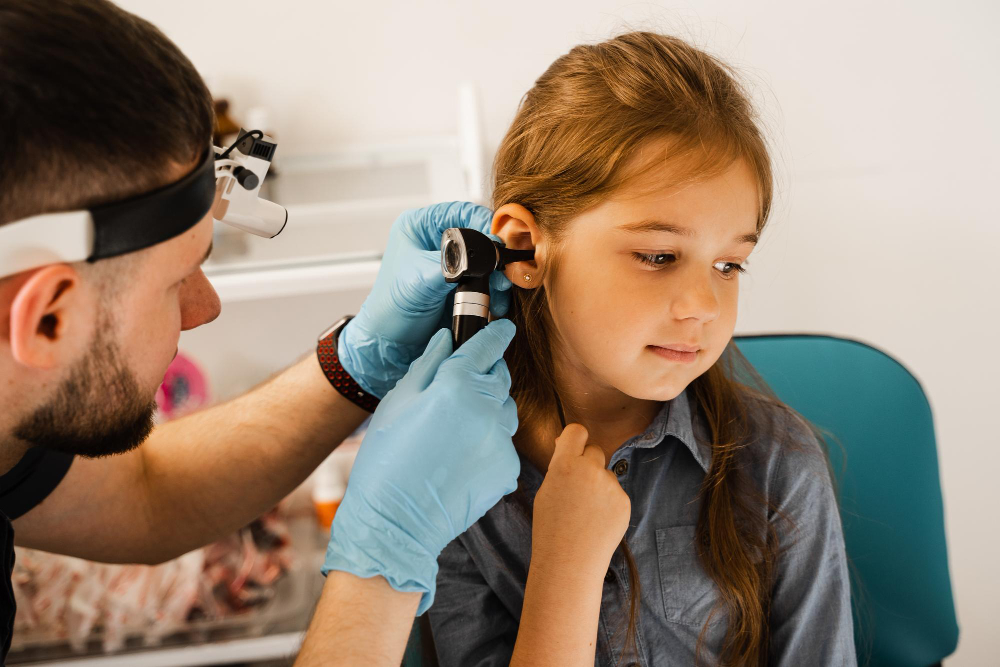
Doctors use a special tool called an otoscope to look inside your child’s ear. With this tool, they can check for redness, swelling, or fluid behind the eardrum. Sometimes, doctors may gently blow air into the ear to see if the eardrum moves. If the eardrum does not move well, it may mean there is fluid or infection. In rare cases, if infections keep coming back, your doctor might suggest a hearing test or other checks.
Treatment Options for Children
Treating ear infections in kids depends on the cause and how severe the symptoms are. In many cases, the infection will clear up on its own. However, doctors may recommend:
For some children, especially those with frequent infections, doctors may suggest small tubes placed in the ear. These tubes help drain fluid and prevent future infections. Always follow your doctor’s advice for treating ear infections in children.
Home Care and Comfort Measures
While your child recovers, you can help them feel better at home. For example, you can:
However, never put anything inside your child’s ear unless your doctor says it is safe. If your child’s symptoms get worse or do not improve, contact your healthcare provider.
Preventing Ear Infections in Children
Although ear infections are common, you can take steps to lower your child’s risk. For instance, you can:
In cities with high air pollution, staying indoors on bad air days can also help. By following these tips, you can help with preventing ear infections in toddlers and older children.