
Introduction
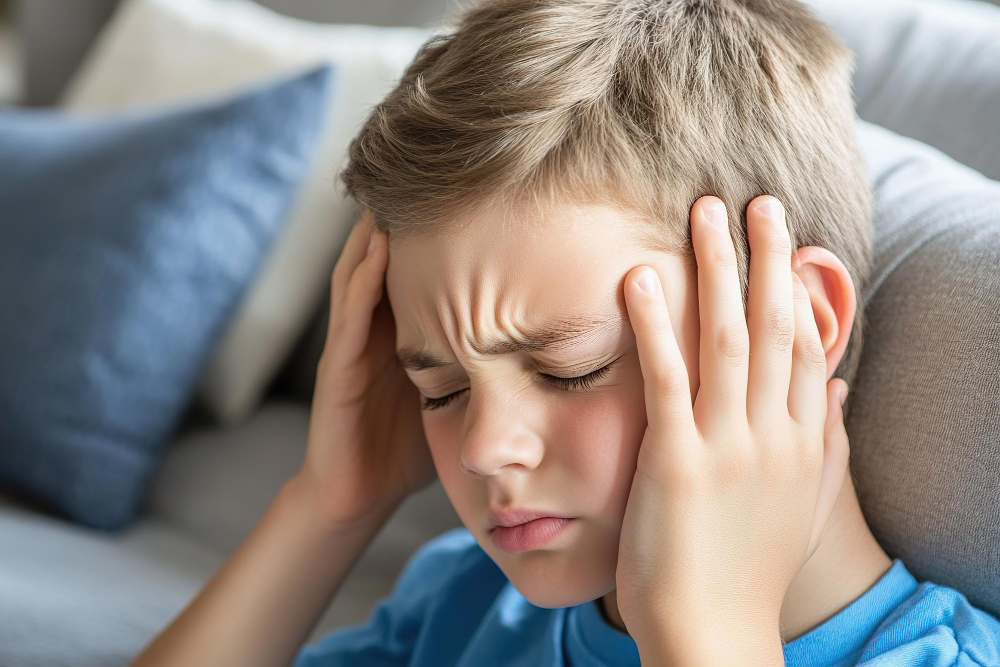
Pediatric migraine is a type of headache that affects children and teens. Unlike adult migraines, these headaches can look different in kids. For example, some children may feel sick to their stomach or see flashing lights. Because of this, pediatric migraine can impact school, play, and daily life. Early recognition and care help children feel better and miss fewer activities.
Causes of Pediatric Migraine
Many factors can lead to migraine in children. Although the exact cause is not always clear, experts believe both genes and environment play a role. For instance, if a parent has migraines, their child is more likely to have them too. Other possible causes include:
Additionally, weather changes and dehydration can trigger migraines in some children.
Common Symptoms in Children
Children may show different migraine symptoms than adults. Sometimes, they may not have a headache at all. Instead, they might feel sick or tired. Common pediatric migraine symptoms include:
Sometimes, children may become pale or feel weak during a migraine attack. Because symptoms can vary, it is important to watch for these signs.
Diagnosis of Pediatric Migraine
Doctors diagnose pediatric migraine by asking about symptoms and family history. They may also do a physical exam. Usually, no special tests are needed. However, if the headache is severe or unusual, the doctor might order tests to rule out other causes. For example, a brain scan may be done if there are warning signs. Early diagnosis helps guide the right treatment for migraine in children.
Management and Treatment Options
Treatment for pediatric migraine focuses on easing pain and preventing future attacks. Many children feel better with simple steps, but some may need medicine. Common management options include:
In addition, some children benefit from seeing a specialist for childhood migraine management. Treatment plans are tailored to each child’s needs.
Lifestyle Tips and Prevention
Healthy habits can help prevent migraine in children. For example, keeping a regular sleep schedule is important. Other tips include:
Furthermore, parents can work with their child’s doctor to find the best prevention plan.
When to See a Doctor
It is important to seek medical advice if your child has:
Early care can help rule out serious problems and start the right treatment for pediatric migraine.
Conclusion
Pediatric migraine can affect a child’s daily life, but many children find relief with the right care. Because every child is different, it is important to work with a healthcare provider. Consult a pediatric specialist Dr. Rishabh Dutt for personalized advice on managing migraines in children.